Fall Protection Lanyards
Choose a fall protection lanyard for the task, anchorage, and protection method your workers use. Energy-absorbing, restraint, and positioning lanyards serve different purposes, and selecting the right type is essential.
Explore safety lanyard options or get help matching a connecting device to your harness and work environment.
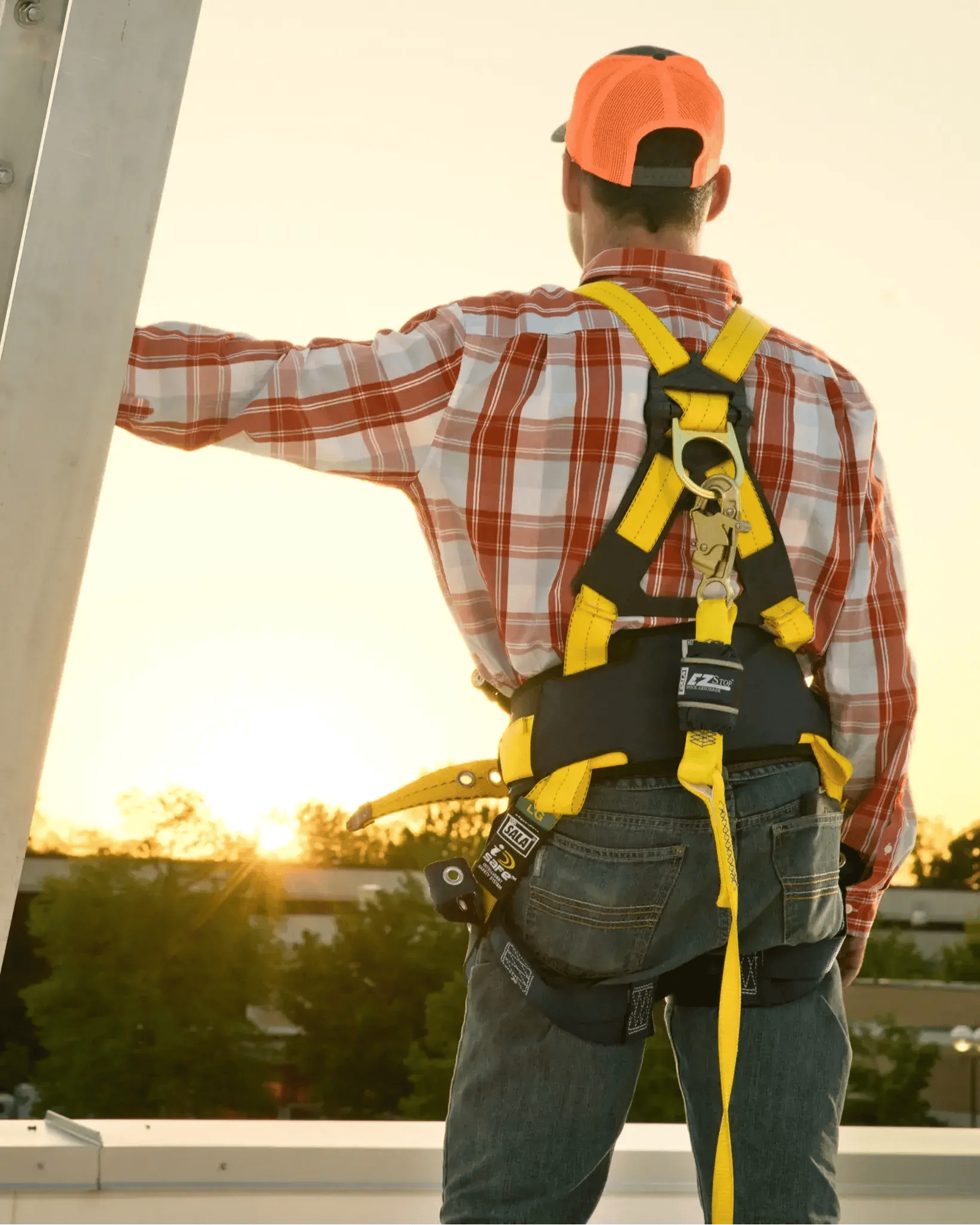
3M™ DBI-SALA® EZ-Stop™
A 6-foot web shock-absorbing lanyard listed under SKU 1246167. Review product details and approved use conditions.
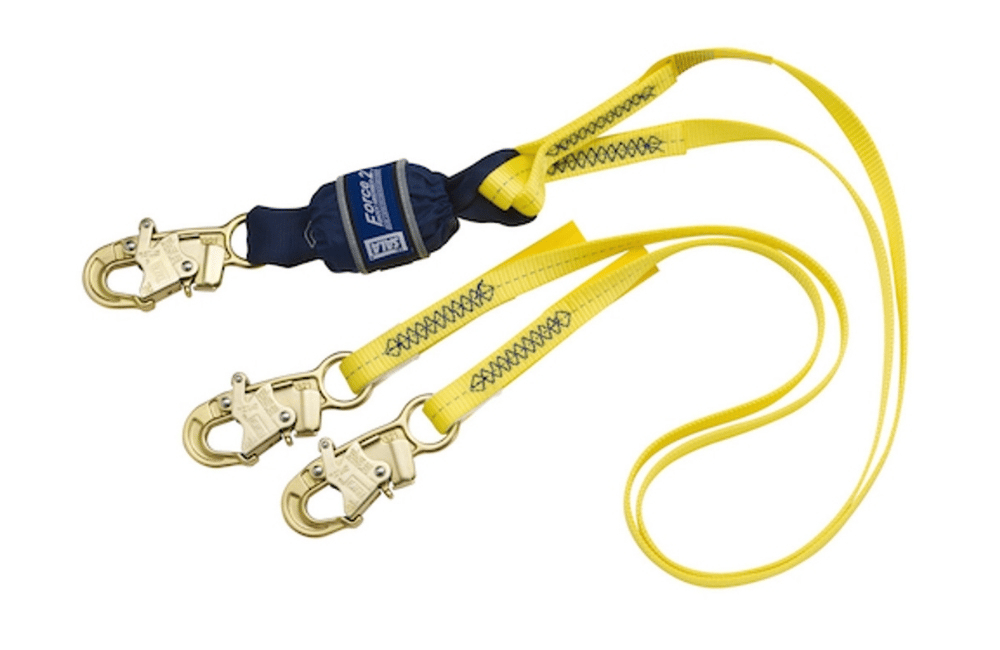
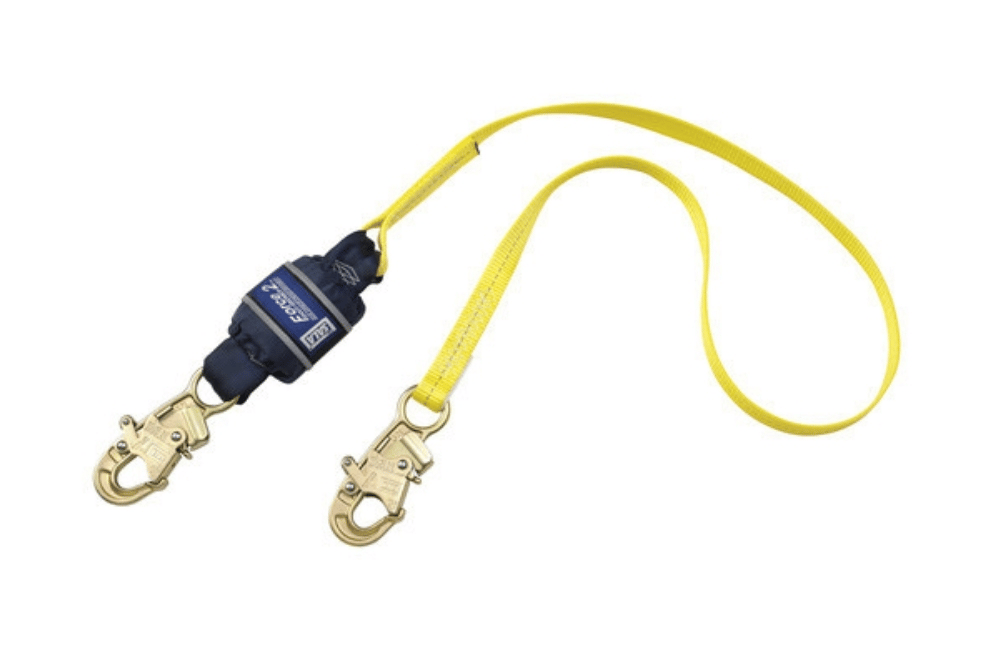
3M™ DBI-SALA® Force2™
A 6-foot double-leg energy-absorbing lanyard for approved continuous-connection applications.
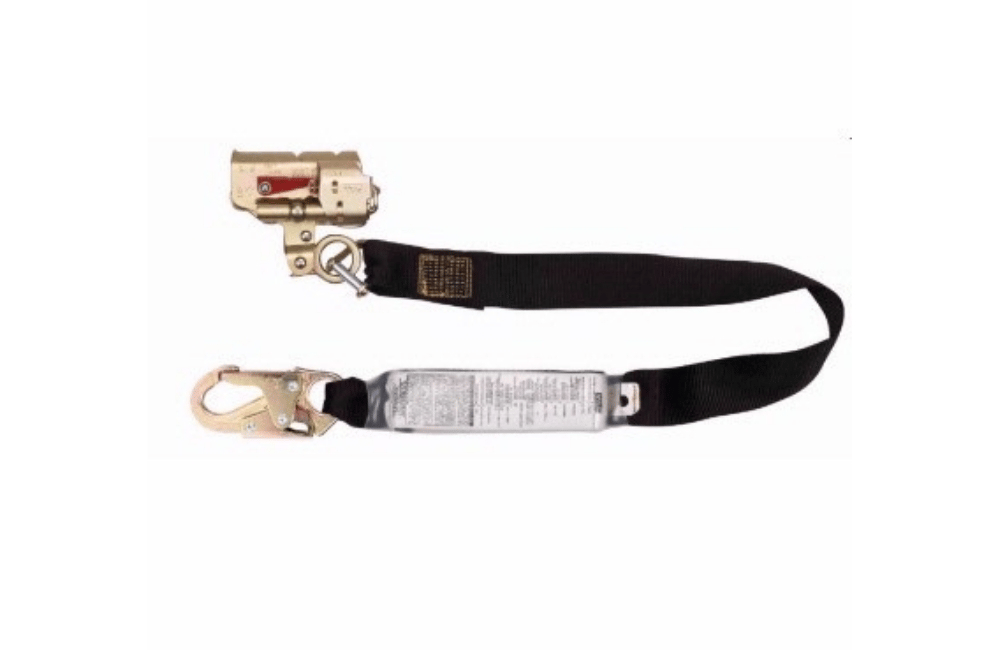
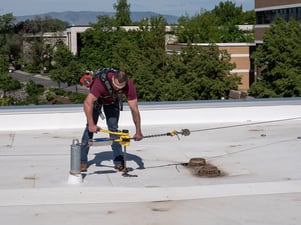
MSA FP Pro Rope Grab with Sure-Stop Lanyard
A rope-grab assembly supplied with a 3-foot Sure-Stop lanyard and 36C snaphook. Confirm compatibility with the rope system.
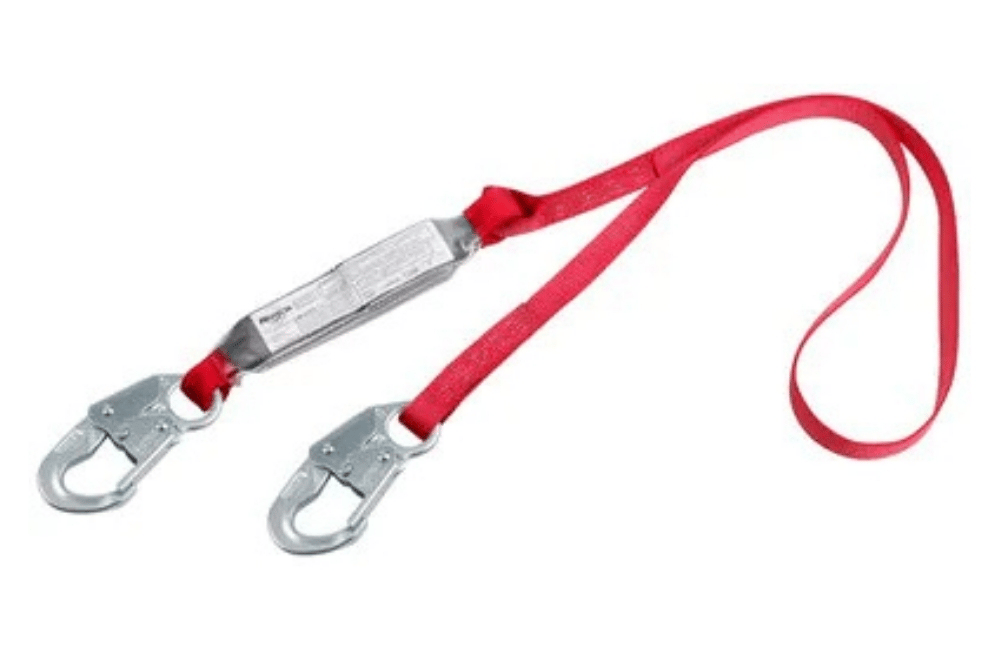
3M™ Protecta® PRO™ Pack 3 ft
A 3-foot single-leg energy-absorbing lanyard with polyester webbing and a shock pack.
MSA V-Series Restraint Lanyard
A 6-foot adjustable single-leg restraint lanyard with small snaphooks. Select for a system that prevents access to the hazard.
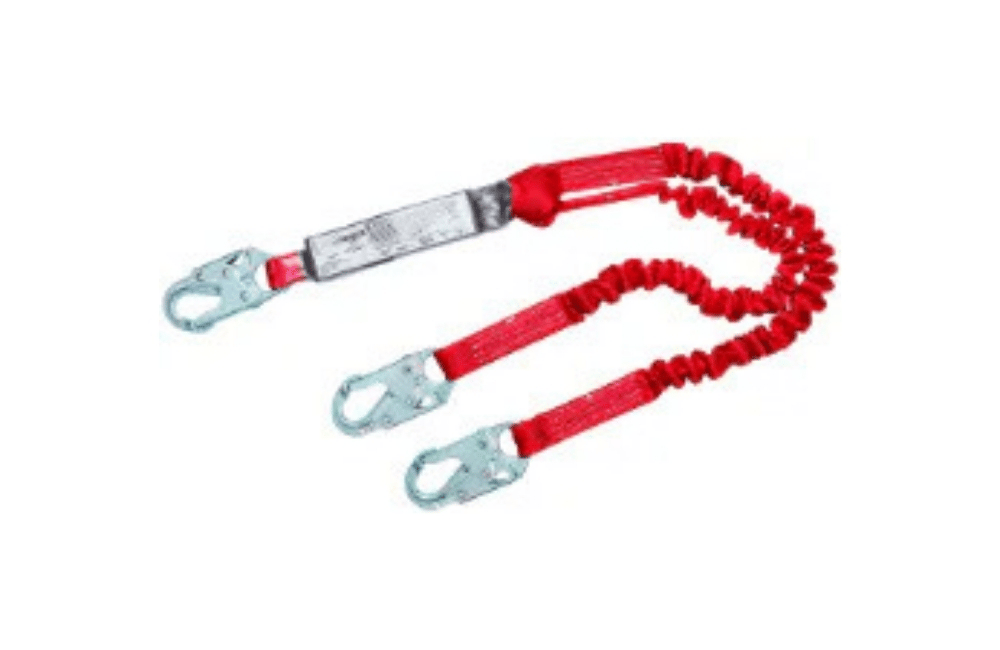
3M™ Protecta® Stretch Lanyard
A 6-foot stretch-web energy-absorbing lanyard for approved continuous-connection applications.
Design Considerations
Compare Lanyard Types
Energy-Absorbing Lanyards
Also called shock-absorbing lanyards, these devices help manage forces during a fall. Select a model rated for the anticipated free fall and verify the required clearance.
Restraint Lanyards
A restraint lanyard limits movement so the worker cannot reach a fall hazard. Its length and the anchorage arrangement must keep the worker within the protected area. A restraint-only lanyard is not a substitute for a fall arrest device.
Positioning Lanyards
Positioning lanyards support a worker in a working position. Where the task also exposes the worker to a fall hazard, evaluate the need for separate fall arrest protection.
Single-Leg and Twin-Leg Options
Single-leg lanyards provide one anchorage connection. Twin-leg options can support continuous connection during transfers when used as instructed. Confirm the approved transfer method and where to park the unused leg.
Select for the Anchorage and Available Clearance
Lanyard length is only part of the clearance calculation. Anchor height, free-fall distance, energy-absorber deployment, and other system factors affect the space needed to arrest a fall.
Review the device instructions for capacity, connector compatibility, and restrictions on edge contact or tie-back use. If clearance is limited, evaluate whether a suitable self-retracting lifeline is appropriate for the application.

b-1.jpg?width=1368&height=1340&name=Rail%20(175)b-1.jpg)